
Digital Arts and Culture – The Perfect ‘Hook’ for Digital Inclusion: Leeds Art & Culture Digital Inclusion Pilot
Delivered by The University of Sheffield
In partnership with 100% Digital Leeds
Funding: Arts Council England
Overview
The Leeds Art & Culture Digital Inclusion Pilot, is a short-term research project focused on understanding how digital inclusion in older adults is addressed in Leeds. The project explores how digital arts and culture can serve as an engaging entry point for older people to develop digital skills, increase confidence, and access a wider range of digital tools and services. The study was conducted between January and September 2025, with a focus on community health hubs and centres, and is part of a broader strategy to reduce digital inequalities and promote social inclusion.
Approaches & Methodology
The programme adopted a qualitative research approach, interviewing local and national organisations involved in digital inclusion and arts and culture, as well as older individuals who received digital inclusion support through creative activities. In collaboration with 100% Digital Leeds, three case study organisations: Ascendance, Burmantofts Community Friends, and The Highrise Project were identified and staff were interviewed to understand their roles, support strategies, barriers, and success factors. The methodology emphasised asset-based approaches, co-creation, and community-led practice, with a focus on making digital inclusion fun, friendly, and accessible. The study also developed personas to illustrate different digital inclusion journeys and needs.
Aims & Objectives
The primary aim was to determine whether participation in digital arts and culture could serve as a first step for older people to become more confident with digital tools and services. Objectives included:
- Exploring how organisations use creative activities to encourage digital engagement.
- Identifying barriers and enablers for older adults in digital inclusion.
- Providing recommendations for sustaining and scaling creative digital inclusion practices.
- Informing local and national policy and practice on digital inclusion.
Outcomes & Measured Impact
The study found that engagement with digital arts and culture helped older adults overcome barriers to digital independence, leading to increased use of digital tools in areas such as photography, banking, and travel. Participants reported positive experiences, including trying new creative activities, rediscovering artistic pursuits, sharing outputs, making friends, and developing a sense of belonging. Organisations delivering these activities were found to be trusted, hyperlocal, and inclusive, using playful, caring approaches to build confidence and community. The findings informed the development of a toolkit and infographic to support best practice in creative digital inclusion.
Key Enablers
- Asset-based, co-creative approaches that value existing skills and community strengths.
- Trusted, hyperlocal organisations at the heart of the community.
- Playful, caring delivery that reduces fear of technology and formal learning.
- Support from 100% Digital Leeds and Arts Council England.
- Integration with social prescribing and neighbourhood health care teams.
Key Challenges/Barriers
- Overcoming fear of technology and formal learning among older adults.
- Addressing digital exclusion in a way that is accessible, non-intimidating, and sustainable.
- Ensuring ongoing funding and support for creative digital inclusion activities
- Scaling successful models across different organisations and sectors.
Demographics, Settings & Referral Routes
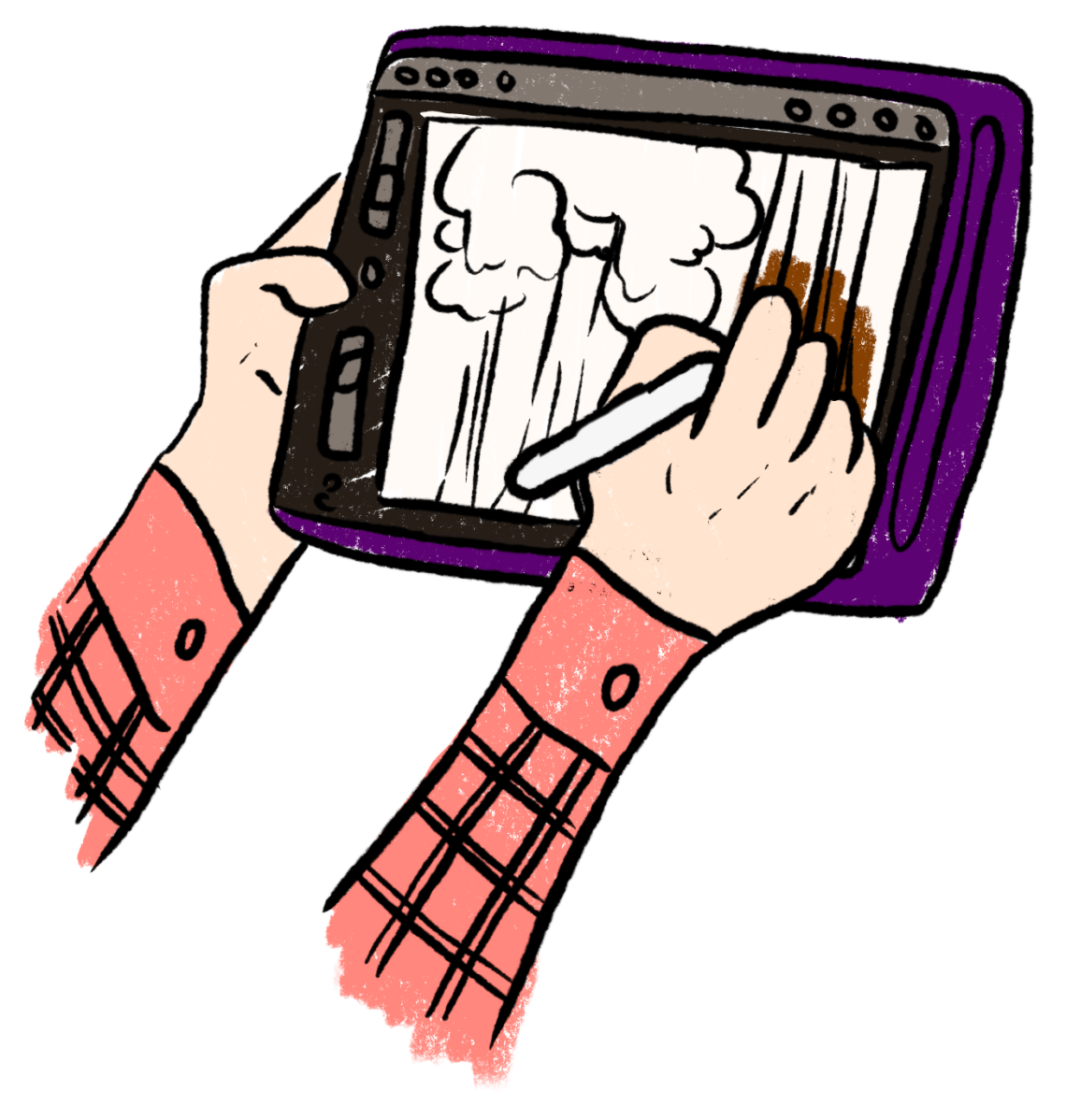
Demographics: The pilot targeted older adults (65+) in Leeds. The creative practices included dance and movement, drawing and painting, and everyday creativity, making the programme accessible to a wide range of interests and abilities.
Settings: Activities were delivered in community health hubs, neighbourhood health centres, and community centres.
Referral Routes: Older adults engaged in digital inclusion activities through referrals from social prescribers, word of mouth, or on their own initiative. Organisations raised awareness of their programmes to social prescribers and agencies able to signpost individuals to creative digital inclusion opportunities.
Evaluation Methods
Evaluation was conducted through independent research partnerships, using qualitative interviews with staff and participants, and case study analysis. The project prioritised ethical engagement, informed consent, and safeguarding, with findings used to inform best practice and toolkit development.
Participant & Stakeholder Feedback
Feedback from staff and participants was highly positive, highlighting the fun, accessible nature of creative digital inclusion. Staff noted that creative activities made the digital world less intimidating, while participants valued the opportunity to try new things, build confidence, and connect with others.
“There's lots of sort of little creative things which can make the whole of the rest of the digital world seem less scary.” - Staff, Pyramid of Arts
Alignment with National Strategy & System Learning
The project aligns with national strategies for digital technology, social prescribing, and health inequalities. It supports the integration of creative, community-led approaches into digital inclusion policy and practice, and provides recommendations for funders, policymakers, and commissioners to recognise the social value of arts-based digital inclusion.
Further Information:
Contact Project lead: Dr Sharon Wagg, Lecturer in Library and Information Management, University of Sheffield.
https://sites.google.com/sheffield.ac.uk/leedsdigitalinclusion/press-publications
Illustrations © Research Retold
This Case Study was submitted as part of a call out for Createch Case Studies, and demonstrates good practice in digital innovation within creative health.
Innovation & Digital Transformation
The Leeds Art & Culture Digital Inclusion Pilot shows that creative, arts-based activities are an effective entry point for older adults beginning their digital inclusion journey, and demonstrates innovation by using digital arts and culture as a “hook” for digital inclusion. The development of a toolkit and personas supports wider adoption and adaptation of creative digital inclusion models. By making digital engagement fun, accessible, and community-driven, the project offers a replicable model for reducing digital inequalities and supporting lifelong learning and wellbeing.