
HERO Academy / HEX Vanguards / Unlocking Minds: Digital Creative Health Pathways
Delivered by Ascendium Group
In partnership with schools, youth organisations, local authorities
Funding: ERASMUS Funding (in progress)
Overview
HERO Academy / HEX Vanguards / Unlocking Minds is a pilot digital initiative delivered by the Ascendium Group, operating across Europe in partnership with schools, youth organisations, and local authorities. The programme introduces a strengths-based model designed to engage, educate, and empower young people who are excluded or vulnerable. Using a physical-literacy framework known as the HEX Zones—encompassing physical, mental, social, and emotional domains—the initiative blends gamified learning, AI mentorship, and creative digital pathways to help students recognise their strengths and reframe them as "superpowers." Young people are placed centre-stage: they co-design their journeys, become HERO-characters, and apply their emerging skills into real-life contexts. The programme is currently a pilot with the option to extend, and an ERASMUS funding application has been submitted to support further development and scaling.
HERO Academy / HEX Vanguards / Unlocking Minds demonstrates a scalable, inclusive approach to creative health for vulnerable young people. By aligning health, education, and digital systems, the model advances holistic wellbeing, boosts student voice, and reduces inequalities. Its strengths-based, co-designed, and digitally enabled framework offers practical insights for embedding creative health and transferable life skills in schools and beyond. The programme points to a replicable, evidence-informed pathway for supporting excluded and vulnerable youth through digital creative health innovation.
Approaches & Methodology
At its core, HERO Academy is built on a strengths-based philosophy. Rather than focusing on deficits or challenges, the programme encourages participants to identify and celebrate their existing assets, reframing these as "superpowers." This approach aligns with motivational psychology and supports engagement by recognising what young people can do. The HEX Zones framework ensures holistic development, addressing physical, mental, social, and emotional wellbeing simultaneously and offering diverse access points for engagement.
The programme leverages gamified digital pathways, digital challenges, and both AI and human mentorship to maintain interest, provide cues for progress, and encourage sustained participation. Game elements are designed to be accessible and inclusive, with alternative modes and support for digital access to ensure that excluded and vulnerable youth can participate fully. Creative practices include digital storytelling, creative writing, animation, digital arts (VR/AR), gaming, drawing, painting, film, and everyday creativity.
A defining feature is the commitment to co-design and youth voice. Young people are involved from the outset—in design, piloting, and feedback—building ownership, relevance, and engagement. The programme is underpinned by values of co-production, participatory arts, asset-based approaches, lived experience leadership, holistic and non-pathologising care, trauma-informed practice, healthcare and digital innovation, arts-based evaluation, data innovation, practice-based research, and knowledge exchange.
Aims & Objectives
- Engage, educate, and empower young people who are excluded or vulnerable using a strengths-based model.
- Support holistic development through physical literacy across physical, mental, social, and emotional domains.
- Introduce a digital creative health pathway blending mentoring, gamification, and AI-facilitated activities.
- Create pathways from recognition of individual strengths into real-life transferable skills and improved wellbeing.
- Examine how the HERO framework helps students recognise and value their existing skills.
- Explore how physical literacy supports engagement, wellbeing, and learning.
- Assess the role of gamified activities and AI mentorship in sustaining engagement and outcomes.
- Generate evidence for embedding this model in schools and informing inclusive, health-driven education policy.
Outcomes & Measured Impact
Through mixed-methods evaluation, the programme has observed increased engagement, self-confidence, and resilience among students. Schools and practitioners have gained a replicable model for holistic wellbeing, and there is enhanced capacity in educational settings to address disengagement and build transferable life skills. The initiative aligns with wider health and education goals, including lifelong wellbeing and reduced inequalities, and contributes to the evidence base on the impact of physical literacy interventions.
Key Enablers
- Co-Design and Youth Voice: Early and meaningful involvement of young people increases ownership and uptake.
- Strengths-Based Framing: Recognising assets as "superpowers" aligns with motivational psychology and supports engagement.
- Holistic Approach: Addressing multiple domains supports broader wellbeing and skill development.
- Gamification: Game elements and digital engagement sustain interest and participation.
- Accessibility: Inclusive design and support for digital access widen reach.
- Partnerships: Cross-sector collaboration with schools, youth organisations, and local authorities enhances legitimacy and operational capacity.
- Embedded Measurement: Early monitoring enables evaluation and feedback loops.
- Safe Environment: Emphasis on safety, belonging, and positive peer connections.
- Digital Literacy: Ensuring readiness and support for digital engagement.
Key Challenges/Barriers
- Digital Exclusion and Access Issues: Many young people lack ready access to devices, reliable broadband, or appropriate digital environments for participating in the digital/gamified modules.
- Varied Digital Literacy: Differences in confidence and familiarity with digital platforms can affect engagement.
- Trust and Privacy: Concerns about data usage and algorithmic fairness require ongoing attention.
- Sustaining Engagement: Maintaining participation over time, especially in alternative provision settings, remains a challenge.
- System Integration: Embedding the model into existing school workflows and priorities requires adaptation.
- Funding and Scalability: Securing long-term funding and adapting for larger scale is an ongoing priority.
- Equity: Reaching the most excluded youth requires extra adaptation and support.
- Technology Reliability: Technical issues and user-interface challenges can disrupt delivery.
- Evaluation Burden: Balancing robust data collection with accessibility and practicality is essential.
Demographics, Settings & Referral Routes
Demographics: Young adults (18–25), men and boys, women and girls, people with sensory, hidden, and learning disabilities, neurodivergent individuals, those living in deprived areas, young people in contact with the criminal justice system, and care leavers.
Settings: Community health hubs, schools, community centres, prisons, youth clubs, sports and leisure centres, online, and in participants' homes.
Referral Routes: Participants are recruited via local authority pathways (public health, adult social care, family hubs, healthy lifestyles teams, domestic abuse services, youth offending), neighbourhood health centres/hubs, and education, employment, and specialist pathways (schools, criminal justice pathways, job centres, carer support organisations).
Evaluation Methods
Evaluation is robust and multi-faceted, including anecdotal feedback, routine monitoring data (participant numbers, demographics, attendance, basic surveys), validated outcome measures, case study and narrative evaluation, market research, and formal internal evaluation. Embedded measurement and tracking support continuous improvement and system integration. The programme addresses trust and privacy concerns, with ongoing attention to data usage and algorithmic fairness.
Participant & Stakeholder Feedback
The programme's design emphasises co-design and youth voice, with young people involved in design, piloting, and feedback throughout. This participatory approach ensures that the programme is shaped by the perspectives and experiences of its participants.
Alignment with National Strategy & System Learning
HERO Academy aligns with wider health and education goals, including lifelong wellbeing, reduced inequalities, and the embedding of creative health and digital innovation in schools and health-education systems. The model offers practical insights for practitioners and policymakers seeking to address disengagement, build transferable life skills, and support inclusive, health-driven education policy. The programme contributes to the evidence base on the impact of physical literacy interventions and provides a replicable framework for system-wide adoption.
Further information: https://ascendiumgroup.manus.space/
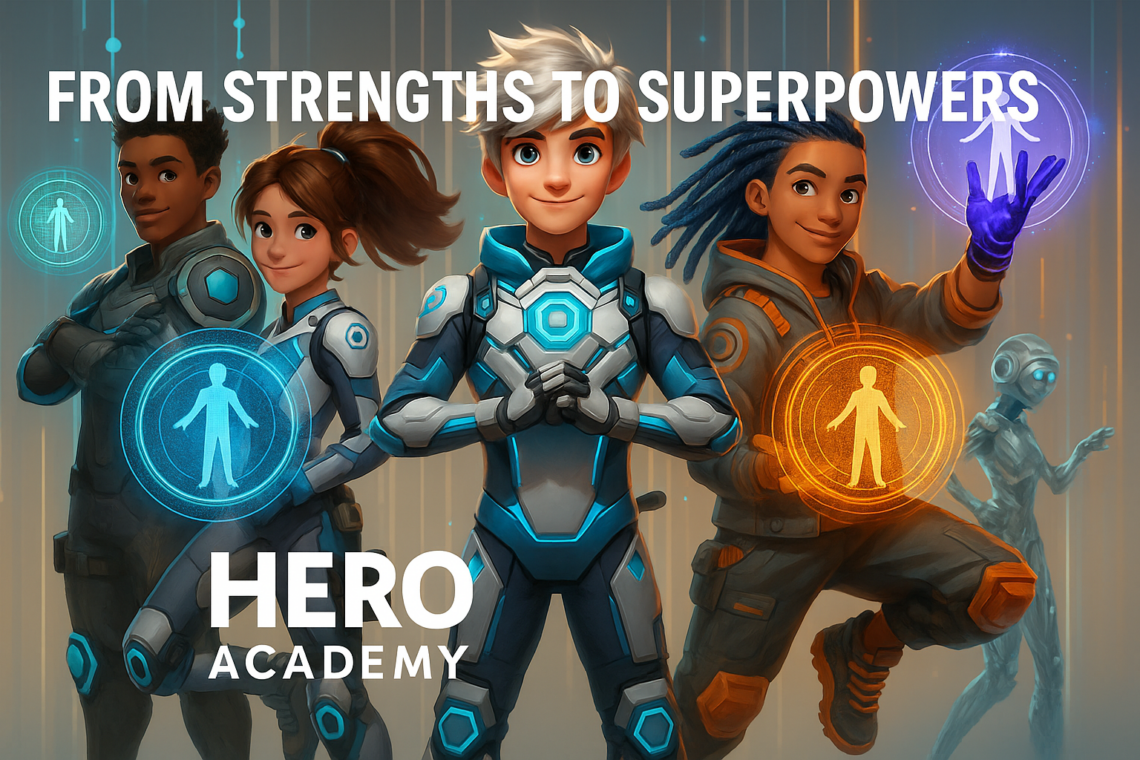
Image Credit: From Strengths to Superpowers – HERO Academy Transformation Model © HERO Academy/Ascendium Group
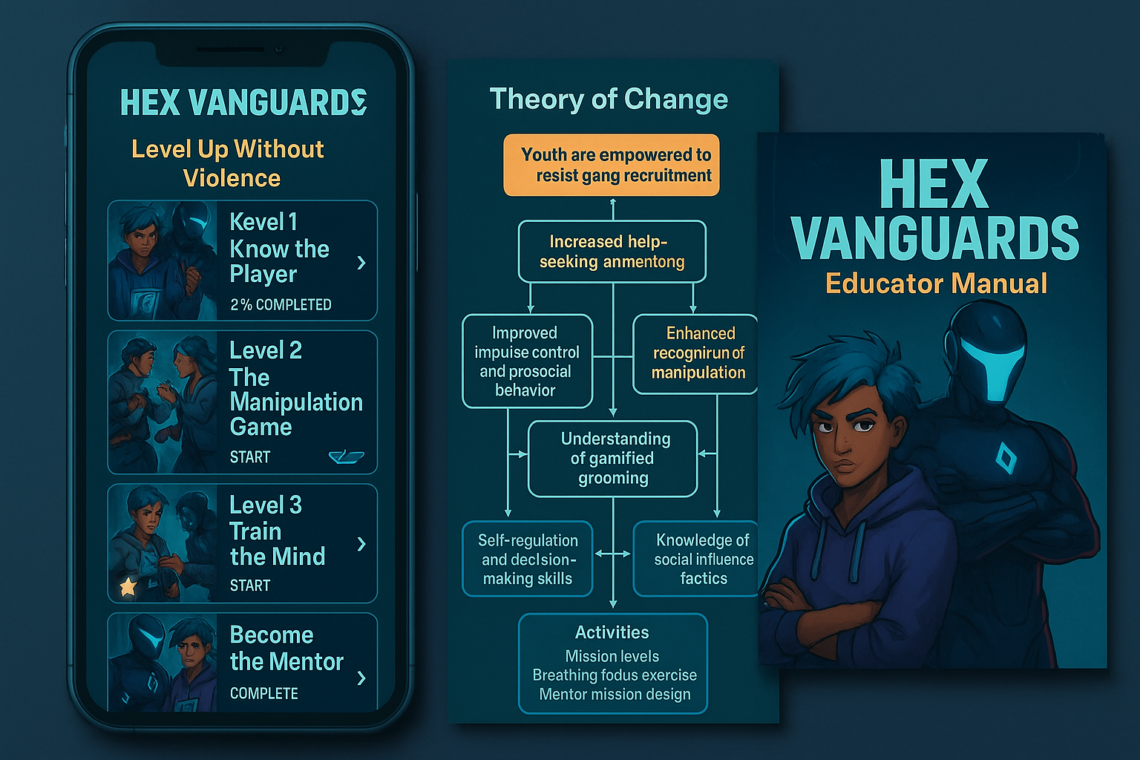
Image Credit: HEX Vanguards Digital Creative Health Pathway © HERO Academy/Ascendium Group
This Case Study was submitted as part of a call out for Createch Case Studies, and demonstrates good practice in digital innovation within creative health.
Innovation & Digital Transformation
HERO Academy programme leverages gamified digital pathways, AI mentorship, and creative digital practices including digital storytelling, animation, digital arts (VR/AR), and gaming. The digital platform is designed for accessibility and inclusivity, with alternative modes and support for digital access. The initiative demonstrates how digital creative health can address youth inequality through relationship-centred, data-driven support, and offers a scalable, inclusive model for embedding digital innovation in health and education systems.