
LifePathXR
Delivered by University of Sheffield
In partnership with Human Studio, Sheffield Flourish, and Sheffield Health and Social Care NHS Trust.
Funding: Mindset XR, Innovate UK
"People want to be listened to. I think that's the most important thing. They want to have the opportunity to share kind of their narrative, their lived experiences. And in the process of that storytelling, that gives them a sense of control, that gives them a sense of autonomy." - Dr. Elishba Chacko, Consultant Psychiatrist, SHSC NHS Trust
Overview
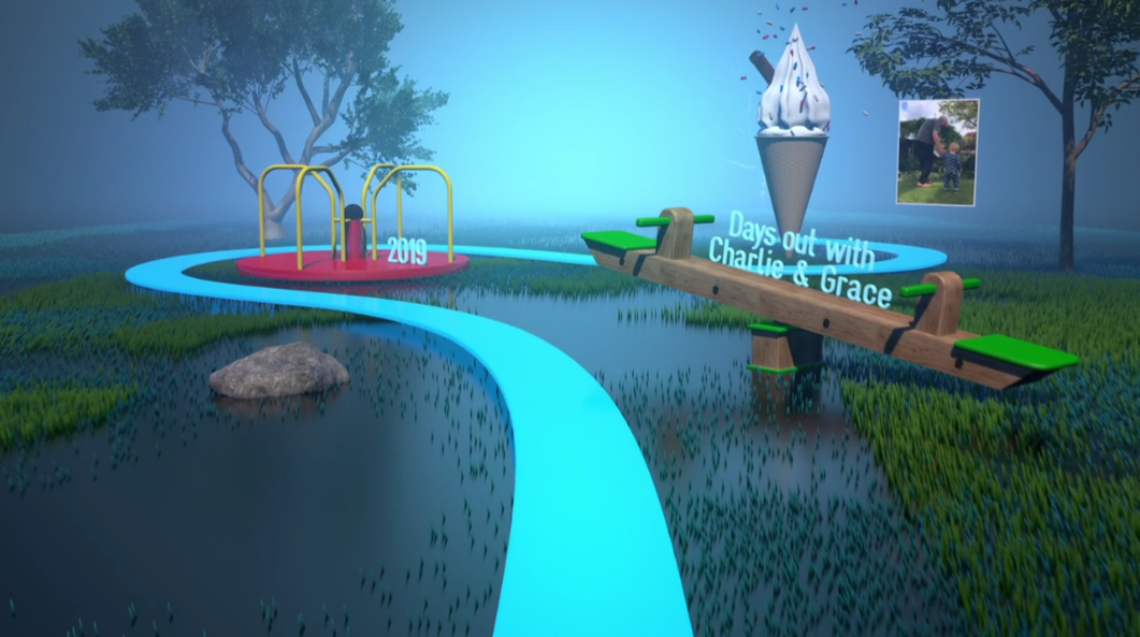
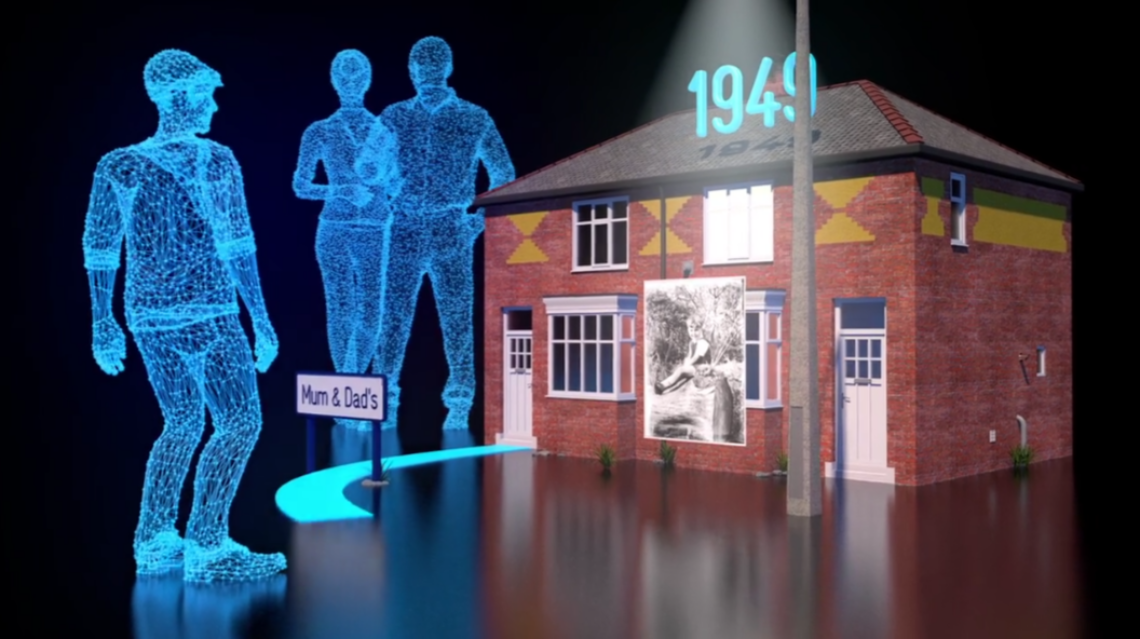
LifePathXR is a pilot project pioneering a virtual reality (VR) tool. LifePathXR enables individuals with lived experience of common mental health problems to capture, share, and therapeutically engage with their life stories in immersive, interactive ways. The tool is designed to support both personal reflection and communication with healthcare professionals, aiming to enhance autonomy, wellbeing, and the therapeutic process. In the LifePathXR project, the lead partner Human Studio and the University of Sheffield (School of Medicine and Population Health, AMRC) worked with Sheffield Flourish, a mental health charity, to co-design a prototype version of the tool.
Approaches & Methodology
LifePathXR is grounded in co-design and co-production, with participants actively shaping the tool’s development and delivery. The methodology blends digital storytelling and VR/AR creative practices, allowing users to create, organise, and share their narratives through multimedia content. The approach is trauma-informed, non-pathologising, and values lived experience leadership. Sessions are structured to ensure emotional safety, with participants able to control how and with whom their stories are shared.
Aims & Objectives
The primary aim of LifePathXR is to empower people with mental health challenges to document and share their life stories in a way that supports therapeutic engagement and personal growth. Objectives include:
- Enabling users to organise and reflect on their experiences, fostering a sense of control and autonomy.
- Providing a platform for sharing narratives with healthcare professionals, enhancing understanding and care planning.
- Supporting therapeutic processes through creative, participant-led storytelling.
- Building a scalable, inclusive model for digital creative health interventions.
Outcomes & Measured Impact
Early outcomes indicate that LifePathXR helps users organise thoughts, process experiences, and communicate more effectively with professionals. Participants report increased autonomy, improved emotional regulation, and a greater sense of being heard. Healthcare professionals note that the tool facilitates deeper understanding of patient narratives and supports more personalised care. The project has generated positive feedback from both users and clinicians, with participants describing the tool as valuable for counselling, self-organisation, and building a sense of control.
Key Enablers
- Strong partnerships with academic, clinical, and community organisations.
- Co-design and lived experience leadership ensuring relevance and acceptability.
- Flexible, trauma-informed methodology supporting diverse needs.
- Digital innovation enabling creative, accessible storytelling.
- Funding from Mindset XR and Innovate UK supporting development and evaluation.
Key Challenges/Barriers
- Ensuring accessibility for users with varying digital literacy and access to technology.
- Addressing privacy, consent, and data security in the sharing of sensitive personal narratives.
- Sustaining engagement and scaling the tool beyond the pilot phase.
- Navigating the complexities of integrating digital tools into existing health and care pathways.
Demographics, Settings & Referral Routes
Demographics : LifePathXR targets a broad demographic, including young adults, working-age adults, older adults, neurodivergent individuals, and people in contact with the criminal justice system.
Settings: The tool is designed for use in mental health hospitals, community health hubs, hospices, museums, festivals, homes, and online, supporting both individual and group engagement.
Referral Routes: Participants are recruited through partnerships with Sheffield Flourish, local NHS services, and community organisations. Additional routes include self-referral, word of mouth, and engagement through public events and digital outreach
Evaluation Methods
Evaluation employs a mixed-methods approach, including case study and narrative evaluation, participatory/co-produced evaluation, routine monitoring, and anecdotal feedback. The project is committed to ethical practice, with explicit consent for media use, GDPR compliance, and ongoing attention to trauma-informed and non-pathologising principles. Lived experience leadership is central to both evaluation and ongoing development.
Participant & Stakeholder Feedback
Participants describe LifePathXR as empowering and valuable for organising thoughts, sharing experiences, and supporting counselling. One user noted:
"I think it would help me like I get a lot of thoughts and a lot of ideas that are a bit all over the place and I think [LifePathXR] would be a good place to sort of catalogue my experiences and maybe having them all in front of me in like sort of an organized way that's how I say I could organize my thoughts and my experiences. I think it would be good as a counselling tool so you could talk through stuff with people and then that person could get the photos and you could almost make a timeline." - Fran, Sheffield Flourish member
Clinicians highlight the importance of narrative and autonomy, with one stating:
“People want to be listened to…sharing their narrative gives them a sense of control and autonomy.”
Alignment with National Strategy & System Learning
LifePathXR aligns with NHS priorities around digital health, personalised care, prevention, and early intervention. The project demonstrates how creative digital tools can enhance therapeutic engagement, support system integration, and provide scalable models for mental health support. The approach contributes to national learning on the role of digital storytelling and VR in health and care.
Further information:
https://player.sheffield.ac.uk/events/lifepathxr
Images © LifePathXR
This Case Study was submitted as part of a call out for Createch Case Studies, and demonstrates good practice in digital innovation within creative health.
Innovation & Digital Transformation
LifePathXR exemplifies digital innovation in creative health, leveraging VR and digital storytelling to create immersive, participant-led therapeutic experiences. The tool’s flexible, co-designed approach supports diverse needs and settings, demonstrating the potential for digital transformation in mental health care.
LifePathXR offers a replicable, evidence-informed model for integrating digital creative health tools into mental health support. By centring lived experience, co-design, and digital innovation, the project advances personalised, trauma-informed care and contributes to system learning on the future of digital health interventions.