
Shifting Landscapes – VR Immersive Performance for Hospitalised Children and Young People
Delivered by Small Things Dance Collective
In partnership with Twin Vision Media and Alder Hey Children's Hospital, Liverpool
Funding: Arts Council England
Overview
Shifting Landscapes is an ongoing, artist-led initiative by Small Things Dance Collective (STDC). Since 2006, STDC has pioneered dance in paediatric healthcare, engaging thousands of children, families, and staff through participatory and performance activities. The Shifting Landscapes project introduces immersive 360° VR films, offering hospitalised children and young people (CYP) the opportunity to experience nature, dance, and original music from their hospital beds. The project is embedded within STDC’s two-day-a-week residency at Alder Hey, forming a core strand of their participatory practice on acute wards.
Approaches & Methodology
The programme employs an interdisciplinary, participatory approach, blending dance, music, and digital arts (VR) to create immersive performance experiences. The two 15 minute films were shot in natural landscapes, Dwell in the forest and Oscillate on the coast. They were then installed on VR headsets for use by STDC during participatory dance sessions on the cardiac and neuromedical wards of Alder Hey. They have also been installed on headsets available to the psychology, dentistry, vascular access, and play teams. The methodology is holistic and whole-person centred, considering multiple aspects of each child’s experience and using arts-based and practice-based research to evidence impact. The approach is collaborative, with artists, clinicians, and educators working together to deliver and refine the experience.
Aims & Objectives
The project aims to:
- Provide hospitalised CYP with immersive, relaxing, and enjoyable experiences that connect them to nature and the arts.
- Reduce the sense of isolation and stress associated with hospitalisation.
- Support rehabilitation, emotional wellbeing, and a sense of identity beyond the hospital environment.
- Offer a replicable model for integrating digital arts and performance into paediatric healthcare.
Outcomes & Measured Impact
Children and young people report feeling transported out of the hospital environment, experiencing relaxation, fun, and a sense of connection with the outside world. Feedback includes statements such as, “I feel like I’m not in hospital,” and 'I'm in the forest, this is so cool!' The films are now a regular option for CYP on cardiac and neuromedical wards, and are available for multiple hospital teams. The project has demonstrated positive impacts on mood, engagement, and emotional wellbeing.
Key Enablers
- Longstanding partnership between STDC and Alder Hey Children’s Hospital’s Arts for Health Department.
- Interdisciplinary collaboration with STDC, Twin Vision Media and hospital teams, including Technology and Enhanced Learning (TEL).
- Embedded practice and regular presence on acute wards.
- Support from Arts Council England and a culture of innovation in paediatric care.
- Use of VR technology to deliver immersive, accessible experiences.
Key Challenges/Barriers
- Adapting immersive technology for use in busy, clinical environments.
- Ensuring accessibility for children with a range of physical, hidden, and learning disabilities.
- Balancing infection control, equipment management, and safeguarding in hospital settings.
- Sustaining funding and scaling the model to other hospitals.
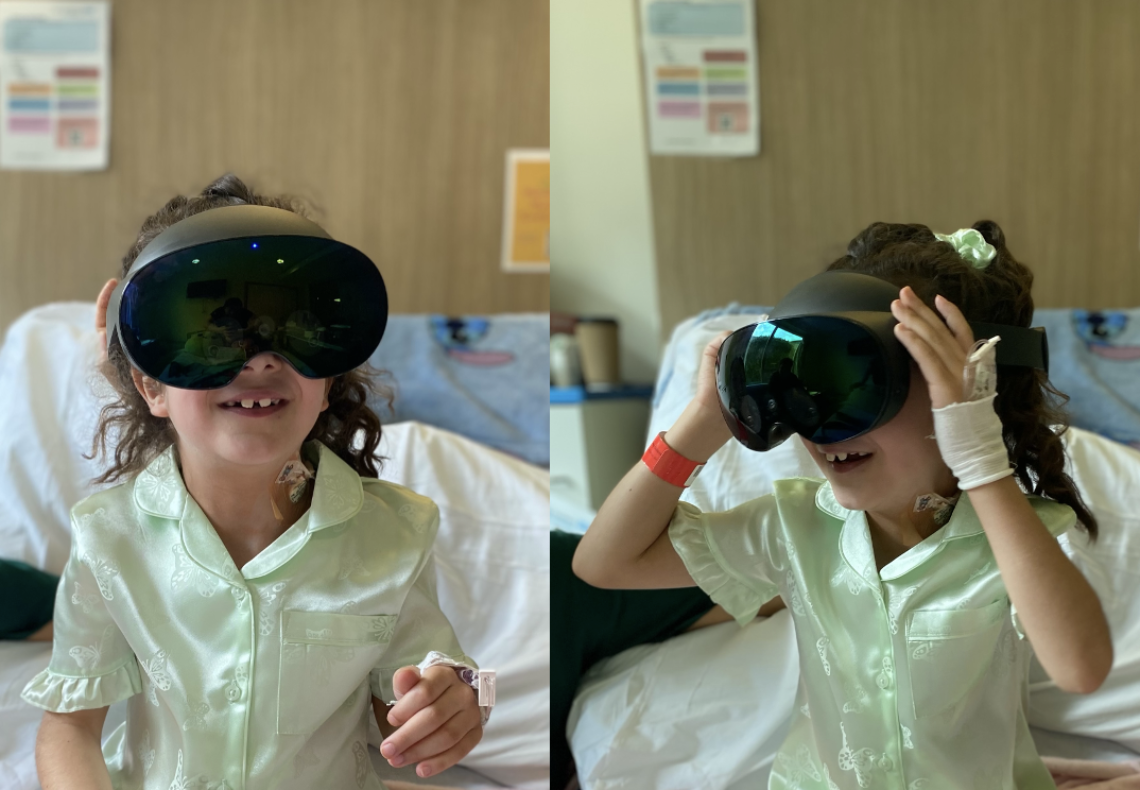
Image courtesy of Small Things Dance Collective © photographed by Naomi Moazzeny, Cardiac Department, Alder Hey Children's Hospital
Demographics, Settings & Referral Routes
Demographics: The project serves early years (0–5), children (6–12), adolescents (13–17), people with physical, hidden, and learning disabilities, and neurodivergent individuals. The films are available to children and young people with a range of health conditions, including cardiovascular disease, neurological conditions, musculoskeletal disorders, and mental health, as well as those experiencing loneliness and isolation.
Settings: It is delivered in acute hospital settings, specifically on cardiac and neuromedical wards at Alder Hey Children’s Hospital, Liverpool.
Referral Routes: Children and young people access the project through direct engagement with the artists during regular participatory dance sessions. The films are also available for use by psychology, dentistry, vascular access, and play teams within the hospital.
Evaluation Methods
Evaluation is based on anecdotal feedback and routine monitoring data, including participant numbers, demographics, and attendance. The project uses arts-based and practice-based research, with practitioners systematically reflecting on and documenting their work. Consent and safeguarding are prioritised, with explicit permissions for media use and participant involvement.
Participant & Stakeholder Feedback
Feedback from CYP is overwhelmingly positive, with children describing the experience as calming, enjoyable, and transformative. Hospital staff and families note the value of the project in supporting emotional wellbeing and providing a welcome escape from the clinical environment.
"It's all calm, I feel calm." - 15 year old long term patient undergoing treatment for epilepsy on Neuromedical Unit.
"I felt different in the headset, it offered an escape from being in the hospital, nothing to do with medical procedures, only performance, love it! It reminds you of who you are!"- 11 year old Cardiac patient.
Alignment with National Strategy & System Learning
Shifting Landscapes aligns with national priorities for health and care settings, digital innovation, and holistic, person-centred care. The project demonstrates how creative, interdisciplinary approaches can enhance paediatric healthcare, support rehabilitation, and improve emotional wellbeing. It offers a model for integrating digital arts into clinical environments and contributes to system learning on the value of creative health interventions.
Further information:
https://www.smallthingsdance.co.uk/performance-projects/shifting-landscapes-360-film-for-vr
This Case Study was submitted as part of a call out for Createch Case Studies, and demonstrates good practice in digital innovation within creative health.
Innovation & Digital Transformation
Shifting Landscapes demonstrates the transformative potential of digital arts and immersive performance in paediatric healthcare. By connecting hospitalised children and young people to nature, creativity, and identity, the project supports emotional wellbeing, rehabilitation, and a sense of normalcy, offering a replicable model for creative health innovation in clinical settings. The project exemplifies innovation by using VR and immersive film to bring nature, dance, and music into the hospital setting. It leverages digital arts to create accessible, engaging experiences for CYP who are unable to leave the hospital, setting a precedent for digital transformation in paediatric care.