
Zeitgeist
Delivered by NeuroCreate
In partnership with University of Edinburgh, University of Greenwich, Central and North West London NHS Foundation Trust, NHS Northamptonshire Trust, Integrated Care Board Greater Manchester
Funding: Arts and Humanities Research Council (AHRC)
Overview
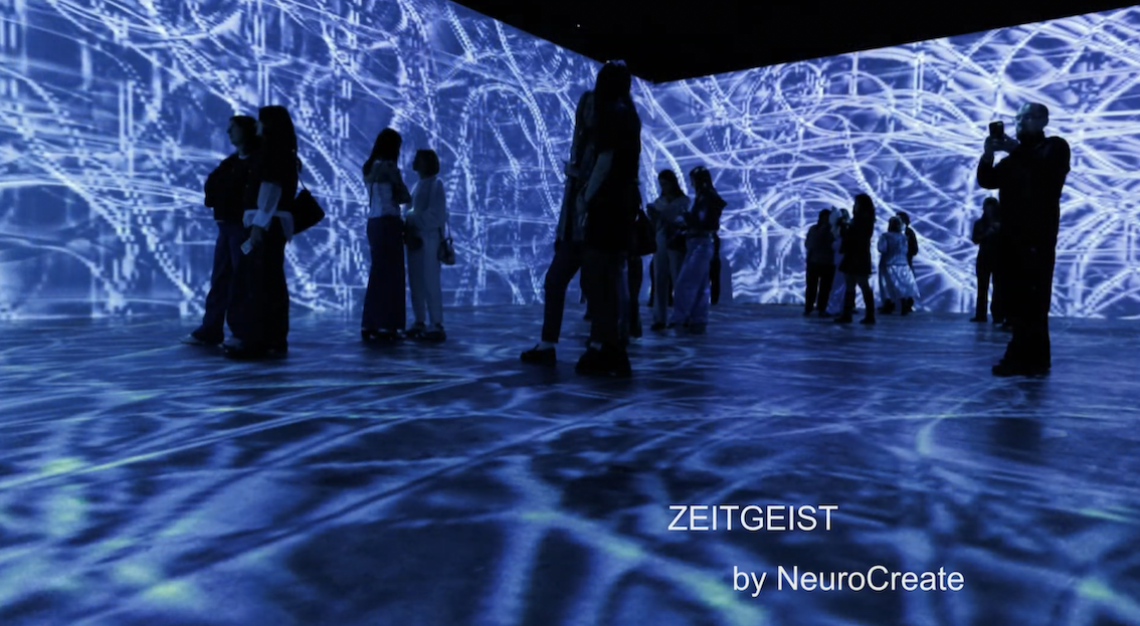
Zeitgeist is an ongoing, innovative digital health platform developed by NeuroCreate, integrating AI, neuroscience, and design to enable users to achieve and sustain Flow mental states. The platform, FlowCreate™ Zeitgeist, is personalised and gamified, using GenAI audio-visual interaction and creative activities to operationalise creative cognition as a measurable, trainable route to improved brain health. Zeitgeist is being developed in collaboration with NHS Health Trusts across the UK, with pilots and studies involving creative practitioners, researchers, and patient groups. The platform is positioned as a key example of digital createch for health, aligning with the UK's national 10-year health plan and supporting both clinical and community-based mental health interventions.
Approaches & Methodology
Zeitgeist employs a co-design and participatory arts methodology, involving creative and cultural practitioners, NHS partners, and patient groups in iterative design and pilot studies. The platform uses AI models to classify brain biomarkers of Flow in real time, embedding these into a web-based, gamified environment. Users engage in creative activities and receive positive reinforcement nudges, with the system adapting to individual needs. The approach is holistic, non-pathologising, and values lived experience leadership, integrating feedback from those with depression, anxiety, cognitive decline, and neurodivergence. Co-design workshops focus on self-management, workforce development, and the wider determinants of health.
Aims & Objectives
The primary aim is to improve mental and brain health by training users to achieve Flow states, which are associated with enhanced mood, attention, and cognitive performance. Objectives include:
- Enabling personalised, proactive management of mental health through brain health optimisation.
- Supporting self-regulation and resilience to stress, reducing symptoms of depression and anxiety.
- Complementing therapist workflows and supporting patients during wait times, acute phases, and home-based maintenance.
- Building evidence for the effectiveness of creative cognition as a route to improved brain health.
Outcomes & Measured Impact
NeuroCreate’s last NHS Pilot studies have demonstrated feasibility and significant benefits: gains in happiness (p=0.01), engagement (p=0.04), and social connection (p=0.03), with users achieving Flow 79% of the time on average. Reported outcomes include increased attention, intrinsic motivation, and mood/cognitive benefits. The platform is now being piloted with young people with ADHD, with future plans to test with depression, anxiety, cognitive impairment/dementia, and perimenopausal symptoms. Zeitgeist’s approach to transdiagnostic brain/cognitive functioning is showing promise for a wide range of mental health conditions.
Key Enablers
Integration of AI, neuroscience, and creative arts in a single platform.
- Strong partnerships with NHS Health Trusts, ICB Greater Manchester, and academic institutions.
- Co-design and lived experience leadership, ensuring relevance and acceptability.
- Use of accessible wearables and low-cost, low-risk technology.
- Funding from AHRC and support from universities and NHS partners.
Key Challenges/Barriers
Ensuring accessibility and engagement for diverse user groups, including those with neurodivergence and cognitive decline.
- Gathering robust evidence across different mental health conditions and settings.
- Navigating integration with existing clinical workflows and digital health systems.
- Sustaining long-term funding and scaling the platform for wider adoption.
Demographics, Settings & Referral Routes
Demographics: Zeitgeist targets working-age adults, older adults, young adults, and neurodivergent people (ADHD). The platform addresses loneliness, adult and youth mental health, and tackles mild cognitive impairment in order to mitigate transition to dementia.
Settings: It is designed for use in mental health hospitals, primary care, community health hubs, care homes, rehabilitation centres, allied health settings, faith settings, museums, theatres, and festivals.
Referral Routes: Participants are recruited via neighbourhood health centres, primary care (social prescribing, GPs, health coaches), self-referral, secondary care professionals, local authority pathways, charities, community organisations, cultural venues, community connectors, taster days, research trial advertisements, event outreach, social media, and word of mouth.
Evaluation Methods
Evaluation methods include validated outcome measures (WEMWBS, EQ-5D, Flow trait and experience sampling, STROOP, Flanker, SART, PSS), routine monitoring data, case study and narrative evaluation, market research, and independent research partnerships. The platform is committed to ethical practice, safeguarding, and participant consent, with ongoing feedback from patient groups and practitioners.
Participant & Stakeholder Feedback
Feedback from NHS pilots and patient engagement has been positive, with users reporting increased happiness, engagement, and social connection. Practitioners value the platform’s ability to support self-management and complement clinical care, while patient groups highlight the benefits for mood, attention, and motivation.
Alignment with National Strategy & System Learning
Zeitgeist aligns with national strategies for digital technology, workforce development, self-management, health inequalities, and the wider determinants of health. The platform supports the integration of creative health into clinical and care systems, advances evidence and impact, and contributes to the UK’s 10-year health plan.
Further Information: www.neurocreate.co.uk/zeitgeist
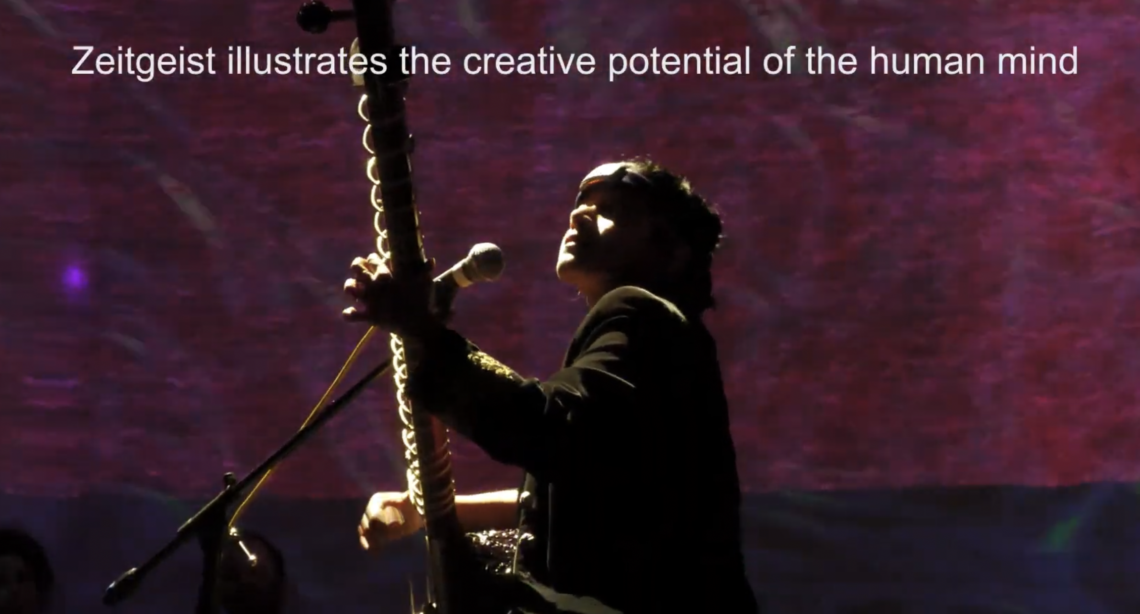
Image Credit: FlowCreate™ Zeitgeist ©
This Case Study was submitted as part of a call out for Createch Case Studies, and demonstrates good practice in digital innovation within creative health.
Innovation & Digital Transformation
Zeitgeist exemplifies digital innovation by operationalising creative cognition and Flow states through AI-enabled, gamified neurofeedback. The platform’s integration of neuroscience, creative arts, and digital technology offers a scalable, low-cost solution for brain health optimisation and mental health support. Zeitgeist demonstrates the potential of digital createch to transform mental and brain health through personalised, creative, and evidence-based interventions. By centring co-design, lived experience, and interdisciplinary innovation, the platform offers a replicable model for integrating creative health into clinical and community practice.