In conversation: Dr. Ranjita Dhital on creativity and self-care in community pharmacy
Date: Thursday 26th November, 2026
What can creativity do in a community pharmacy?
We put that to Dr Ranjita Dhital, a registered pharmacist, visual artist and chair of our Pharmacy Special Interest Group (SIG).
We talked to her about creativity, self-care and prevention in community pharmacy: where the opportunities sit on the high street, what happened when pharmacy teams and artists reflected on their workspaces together, and what she'd suggest to a team that has never tried any of this before.
-----------------------------------------------------------------
The Pharmacy SIG is one of several Special Interest Groups NCCH supports. What difference has that network made to how creativity and pharmacy work develops, and where would you like it to go next?
The SIG has brought together people who might never otherwise have met, including pharmacists, researchers, artists and community organisations. It's created a supportive space to learn from one another and to build momentum for creative health within pharmacy.
We are developing as a group and I’m excited to see what the future holds, please join us to be part of our journey and receive updates - sign up here.
You’re a pharmacist and a sculptor. Which came first, and how do the two talk to each other?
Though I no longer practice clinically as a pharmacist, I’m now a university academic, for me pharmacy came first professionally, but creativity has always been part of my life.
To me, both are about understanding a person's health story or shaping a piece of sculpture. Art helps me bring a more human and creative form to my public health research, which keeps me closer to people’s everyday lives and concerns.
You chair the Pharmacy Special Interest Group (SIG) for Creative Health and founded an International Arts in Pharmacy Special Interest Group. What surprises people most about bringing creativity into pharmacy?
People are often surprised by how naturally creativity fits into pharmacy. Creativity enables new ways to connect with people to support wellbeing.
This also supports deeper reflection about one’s own practice and strengthen relationships within communities and teams.
Pharmacies are often the first place people turn when managing their own health, and they sit on high streets in communities other services struggle to reach. Where do you see the biggest opportunities for creative approaches to support self-care and prevent ill health at that early stage?
Community pharmacies are the most accessible part of the health system.
They already support people with self-care every day, so they're ideally placed to connect people with creative activities that support wellbeing, reduce loneliness and help prevent ill health before it develops. I see pharmacies as an essential and natural part of social prescribing.
Can you tell us about a moment when creativity changed what happened in a pharmacy, for a patient or a member of staff? What did it look like?
One example comes from my Architecture of Pharmacies research ‘Counter Culture Exhibition’ where we invited the public, pharmacists, pharmacy staff, architects, artists, designers, and others to apply creative methods to reflect on their workspaces and health care experiences.
Through drawing, crafting and discussion, people described aspects of their working environments that they had never previously articulated.
What was striking was how creativity opened conversations about wellbeing, identity and professional practice. People felt heard, and discussions moved beyond operational pressures towards what helps people flourish in pharmacy settings.
For a pharmacy team that’s never tried anything creative: what’s the first step you’d suggest, no budget needed?
Keep it simple. Invite colleagues to share a photo, object or short story about why they chose to work in healthcare.
Creativity doesn't have to be complicated; it's often just a different way of listening to one another.
Winter piles pressure on pharmacy teams, from vaccination clinics to seasonal illness, and it’s hard on wellbeing generally. How could creative approaches help teams look after themselves and their patients through the colder months?
Winter can be a demanding time for everyone. Creative activities can offer small moments to pause, connect and reflect, helping people maintain a sense of community and supporting wellbeing when pressures are high.
I’ve always thought about hosting seasonal carol singing in the pharmacy to promote lung health. I’d love to do this with others one day.
Tell us about your creative health work in Nepal. What has it taught you that you’ve brought back to your UK work?
I’m originally from Nepal and it’s been a magical experience developing my Creative Health Nepal transdisciplinary research community.
I've collaborated with artists, healthcare professionals and diverse communities to explore how arts and Indigenous knowledge can support health and wellbeing in Nepal. We’ve co-produced culturally engaging approaches with communities to promote health, especially to reduce alcohol harm.
I continue to be inspired by my Nepali colleagues and have found these experiences deeply enriching. I’ve applied many of the learnings from Nepal to inform my research practice and teaching in the UK.
Sculpting aside, what does your own self-care practice look like? Are there other creative activities that keep you well?
Making art is part of my wellbeing, especially experimenting with materials and colours. I also enjoy spending time in nature; it helps me to enter new enchanted worlds away from my desk.
If you could prescribe one creative activity to everyone reading this, something you’ve seen actually work, what would it be?
I'd recommend keeping a visual journal, for example through collaging, using photographs, collecting objects, making sketches or simple observations from daily life. There's no right or wrong way to do it, and it can be a great way to notice small moments and support wellbeing.
Many of our readers work in public health. How can they support creative health in pharmacy from where they sit?
One of the most helpful things public health colleagues can do is recognise pharmacies and their team as valuable and essential community assets.
By involving pharmacies in creative health initiatives and local partnerships, we can reach more people and support health in ways that are both preventative and community centred.
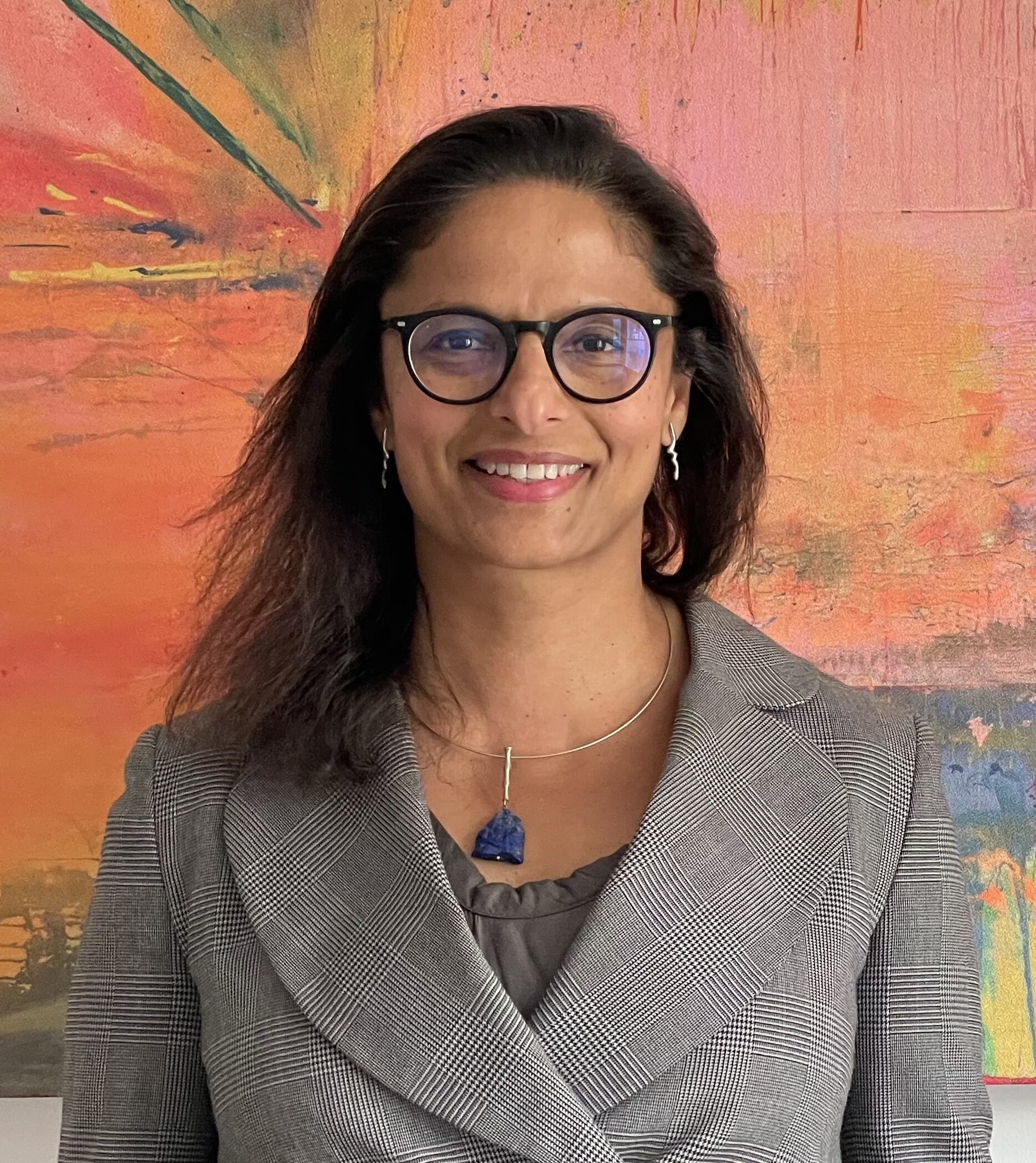
About Dr Ranjita Dhital:
Dr Ranjita Dhital is Vice Dean of Wellbeing and an Associate Professor in Interdisciplinary Health Studies in the Arts Humanities Faculty at University College London (UCL). She is a Fellow of the Royal Society for Public Health (FRSPH), a registered pharmacist and a visual artist. Dr Ranjita's public health research applies creative and community-based approaches to reduce alcohol harm and promote mental wellbeing.
To find out more about our Pharmacy SIG, visit our Youtube channel to watch: Pharmacy SIG Webinar - Creative approaches to pharmacy practice