Creativity for Men’s Health
Men’s Health Under the Microscope
This year, the UK Government launched its first ever Men’s Health Inquiry, recognising that men face particular health challenges, from high rates of suicide to poor engagement with health services. The National Centre for Creative Health (NCCH) engaged by contributing written evidence, in partnership with The Baring Foundation. Our joint submission made the case that creative health must be part of the solution.
Why Creativity Matters in Men’s Health
In our submission to the Men’s Health Inquiry, we emphasised that creative health is not an add-on, but a vital tool for tackling some of the most pressing challenges facing men and boys. Creative approaches are already making an impact across multiple areas, including:
- Mental health and wellbeing – creativity offers safe and engaging ways for men to express emotions, reduce stigma, and build peer support networks.
- Support for Young Boys – with most mental health conditions beginning before the age of 14, early access to creative activity in schools builds confidence, supports wellbeing, and strengthens future life chances.
- Cardiovascular disease – creative approaches have supported recovery from stroke and helped improve awareness of cardiovascular risk factors in communities at higher risk.
- Drug and alcohol addiction – arts-based programmes provide powerful support in recovery, helping men build resilience, skills, and new social connections.
- Homelessness – creative initiatives offer men experiencing homelessness a way to improve wellbeing, rebuild identity, and develop agency.
- Loneliness, isolation and suicide prevention – creative health provides connection, belonging, and trust where men might otherwise feel left behind.
Together, these examples demonstrate that creativity is not a luxury, but a proven route to prevention, treatment, and recovery: an essential part of a 21st-century men’s health strategy. Read on to see some of our case study examples…
Mental Health Case studies:
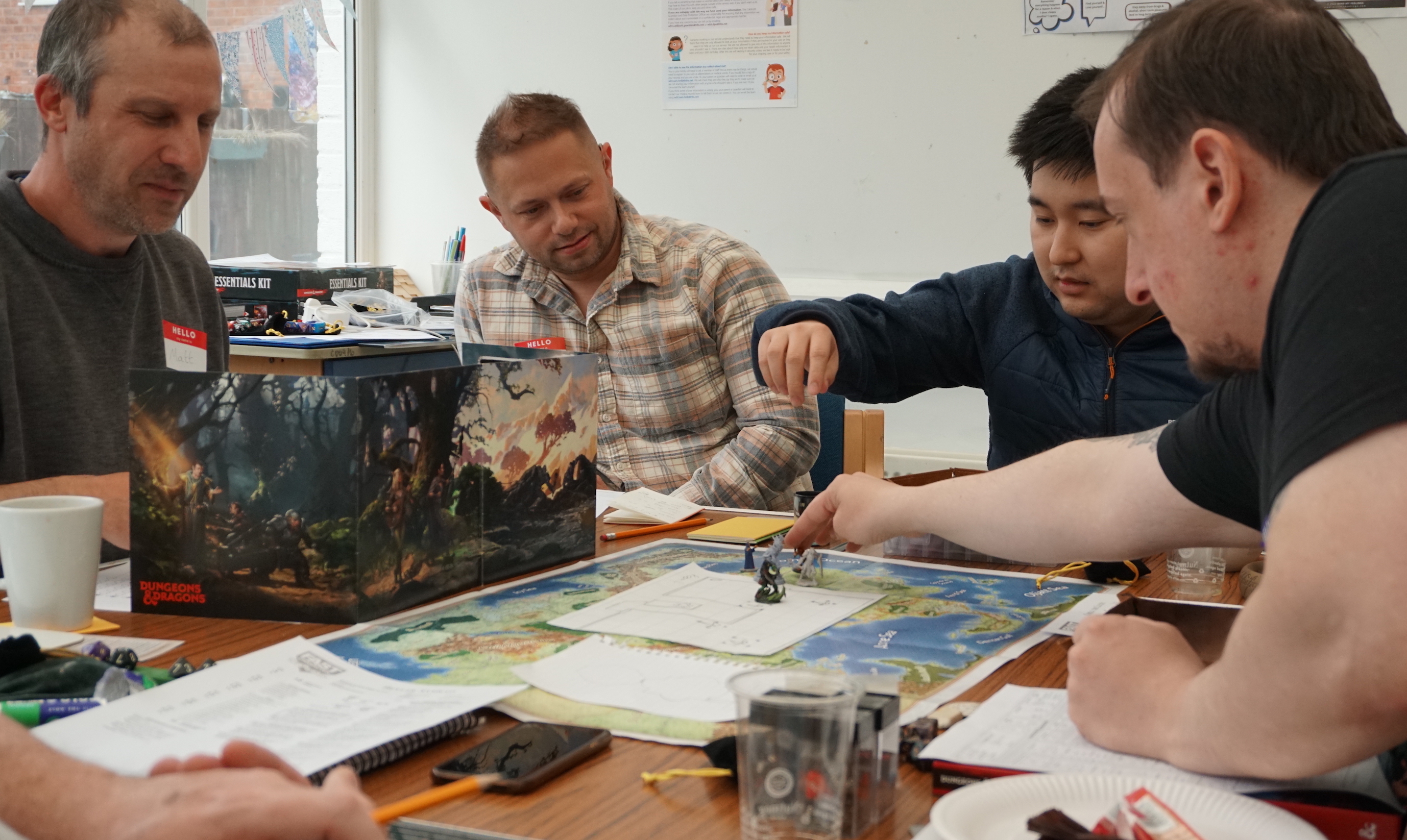
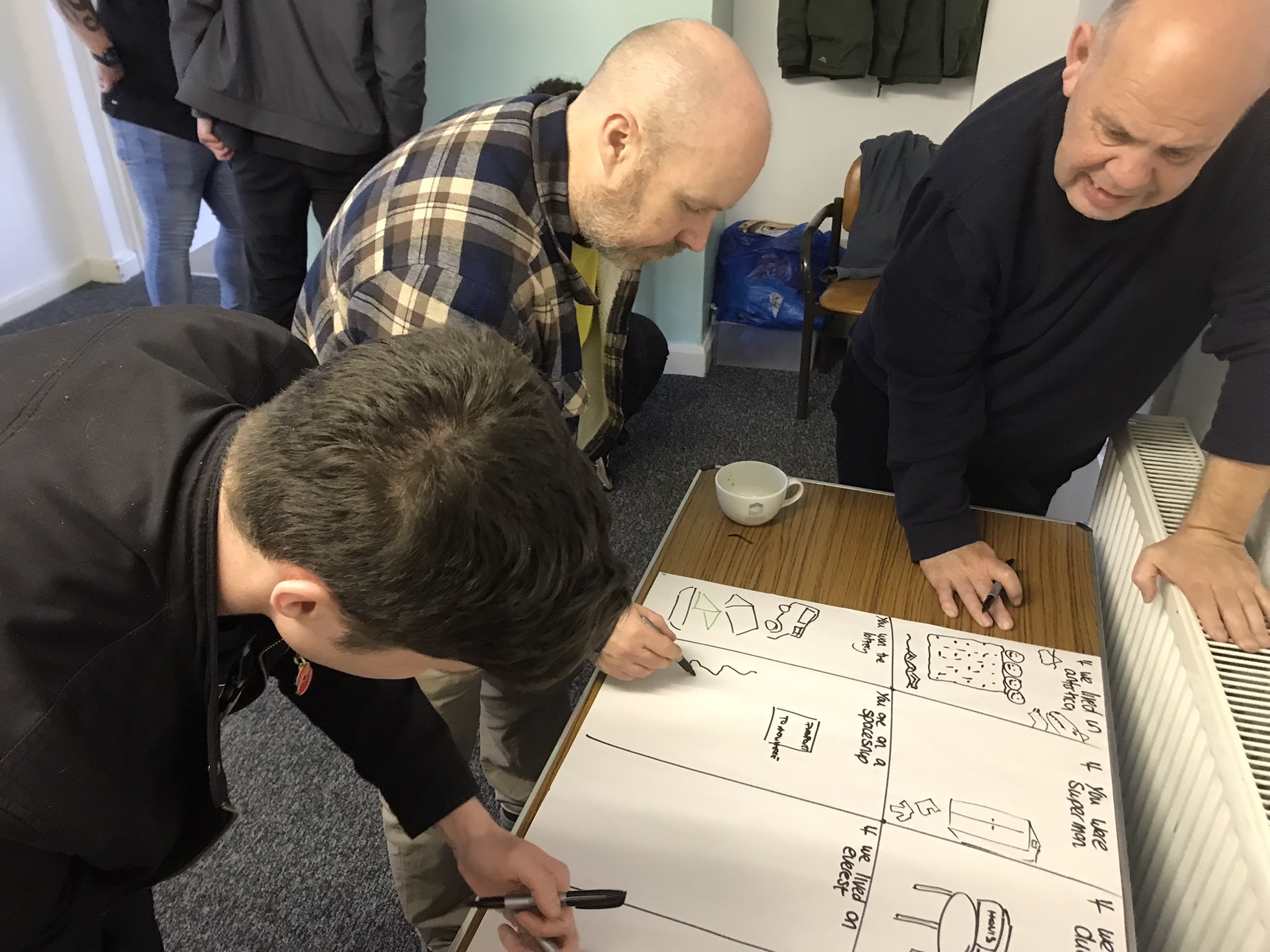
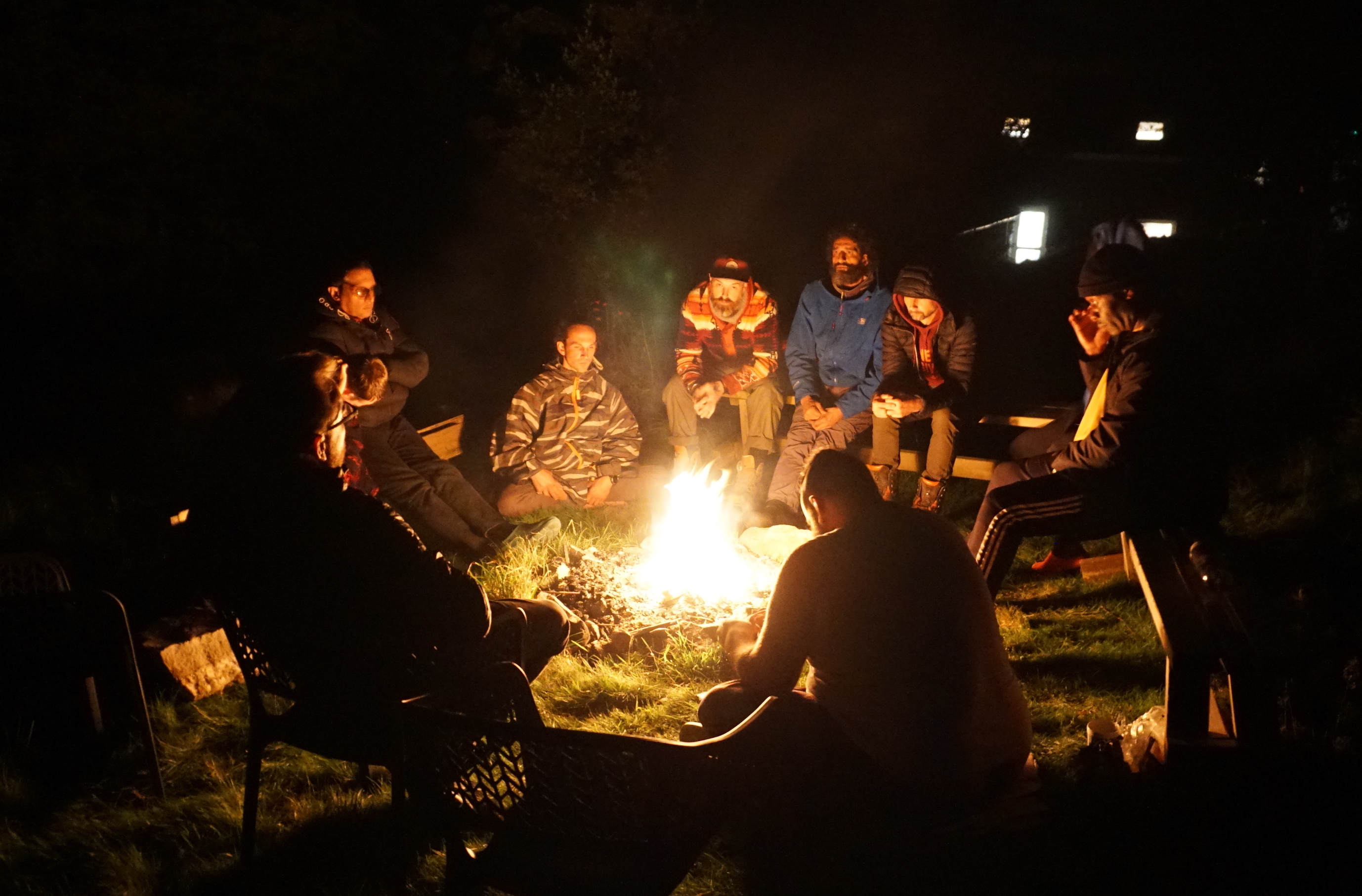
The MindKind Projects (Walsall): The MindKind Projects is a community-based initiative in Walsall. They work with men from communities most affected by health inequalities, offering innovative approaches such as “fireside chats” around an indoor campfire, role-playing games to build resilience, and poetry through their “Bloke’s Bard” project. For men who have often been failed by mainstream provision, MindKind shows how creativity creates trust, connection and protective factors against mental ill-health.
Tomorrow (Hereford): Tomorrow – a dance performance by 2Faced Dance – was developed with Herefordshire Mind and a group of men living with poor mental health. This powerful dance-theatre work uses six male performers to embody the experience of breakdown without saying a single word. The show premiered to acclaim and will tour nationally in 2026, raising awareness and sparking conversations about men’s mental health far beyond the clinic or community centre.
BarberTalks (Leeds): Barbershops are often community hubs and safe spaces for men, particularly in African, Caribbean, and South Asian communities. Recognising this, Leeds Mind developed the BarberTalks project, equipping barbers with the confidence and tools to have meaningful conversations about mental health. Filmed entirely in local barbershops, a series of short videos were created to open up discussions around wellbeing, using everyday language that resonates with customers. In doing so, the project tackled stigma, supported barbers’ own wellbeing, and turned everyday haircut appointments into opportunities for connection and support.
Build It (Birmingham): Build It is a creative health project delivered by Midlands Arts Centre and Red Earth Collective CIC to support Black African and Caribbean men with, or at risk of, mental health problems. Over two and a half years, the project will deliver regular creative workshops – from spoken word and drumming to music production and acting – all leading to a major public showcase. Developed in response to the lack of representative provision for Black men in the West Midlands, Build It uses creativity both to challenge stigma and to provide a platform for participants to be heard, seen, and celebrated.
No One Here Is Me (Kent): Actor Sarah Winn and lived-experience advocate Mark Kilbey developed a powerful piece of verbatim theatre exploring male mental health and suicide. Born from Sarah’s own loss of a family member and Mark’s lived experience of bipolar disorder and multiple hospitalisations, the production No One Here Is Me tells real stories in the words of those who lived them. The process of creating the play became part of their healing journey, while the performances offer audiences a raw and relatable portrayal of severe mental illness. Beyond the stage, Mark has gone on to lead Take Off, a peer-led mental health charity, showing how creativity can spark both recovery and leadership.
Breaking the Stigma (Cheshire West and Chester): The Public Health and Arts teams at Cheshire West and Chester Council are collaborating to address the borough’s higher-than-average male suicide rates. Artist Mark Titchner is leading a co-created visual campaign with men in Ellesmere Port and Northwich, ensuring lived experience shapes its design and placement. Initial workshops explored men’s thoughts and challenges around seeking support, with early concepts now being developed. The project aims to raise awareness of available help and reduce the stigma that prevents men from opening up in times of crisis.
The mental health of men has been a key feature of work for The Baring Foundation, particularly in their Creatively Minded Men publication. Additionally, their blogs include Creativity and mental health – are men missing out?, Arts and mental health – what about men?, and 32 new grants awarded to support more men to engage in creative mental health. For more NCCH resources on mental health, you can visit our articles on creative approaches in mental health care and creative health in mental health trusts, or make use of the Creative Health Communication Framework.
Support for Young Boys Case Studies:
The Music Works (Gloucestershire): The Music Works is a Gloucestershire-based charity dedicated to transforming young people’s lives through music. Specialising in working with those in challenging circumstances, they use music-making to build confidence, self-belief and motivation. Their evaluation showed striking results: 84% of young people grew in confidence, 78% improved self-esteem, 81% improved their ability to work with others, and 73% of those not in education, employment or training went on to re-engage after the programme. For boys in particular, music provides an accessible route to express themselves, build resilience, and create positive future pathways
#BeeWell (Greater Manchester): #BeeWell is a youth-led programme in Greater Manchester that surveys thousands of young people to understand their wellbeing and what matters most to them. Findings consistently highlight the importance of participation in arts, culture and entertainment for future wellbeing, with boys reporting that creative activities help them feel more engaged, connected and optimistic about their lives. By capturing the voices of young people directly, #BeeWell provides vital evidence on how creativity supports the foundations of good mental health from adolescence. It shows that when it comes to arts and creativity, variety is the key to success.
NCCH has called for creativity to be embedded in school life in our briefing on creativity and mental health in schools. Other resources include our APPG briefing paper, our guide on creative health for CYP mental health, and our professional perspectives article. Likewise, The Baring Foundation discuss the mental health of boys in a dedicated blog.
Cardiovascular Disease Case Studies:
Brain Odysseys (Bristol, Reading, and South London): Brain Odysseys (formerly Stroke Odysseys) is a performing arts programme designed to support people recovering from stroke and brain injury. Combining movement, storytelling and performance, the initiative helps participants regain a sense of agency, rebuild confidence and improve wellbeing as part of their rehabilitation journey. Research led by the SHAPER programme at King’s College London has explored how Stroke Odysseys can be scaled up and embedded into clinical pathways, demonstrating the potential for creative practice to become a recognised part of stroke recovery across health systems.
Creative Public Health (Birmingham): Birmingham City Council has pioneered a Creative Public Health approach, commissioning arts and cultural projects to raise awareness and improve health literacy around cardiovascular disease and diabetes. With a particular focus on the city’s Jamaican community, projects have used culturally relevant creative engagement to share prevention messages, encourage healthier lifestyles, and support early detection. By embedding creativity into public health campaigns, the initiative has helped address health inequalities and strengthened trust between communities and local services.
For more information, cardiovascular disease features in our Creative Health At a Glance resource, our response to the Major Conditions Strategy, and our response to Lord Darzi’s Independent Investigation of the NHS in England.
Drugs and Alcohol Addiction Case Study:
Outside Edge (London): Outside Edge Theatre Company is a UK theatre and participatory arts organisation dedicated to addiction recovery, using drama workshops and performances to support people affected by drug and alcohol misuse. Their abstinence-based programmes build confidence, creativity and social connection, offering an alternative route into recovery services and wider community life. Men are often strongly represented among participants, showing how creative activity can reach groups less likely to engage with traditional forms of support.
For more information about drugs and alcohol addition, visit our 2023 announcement about using creativity to reduce addictions, our people experiencing drug and alcohol dependence examples in the Creative Health Toolkit, or keep your eyes peeled for our upcoming article about a Ketamine study that is taking place in the Mobilising Community Assets programme.
Homelessness Case Study:
Arts & Homelessness International: Arts & Homelessness International works globally to bring positive change to people, projects and policy through creativity, showing how the arts can support people experiencing homelessness. Their research highlights how creative activity increases agency, develops skills, and strengthens social connection – all of which are vital factors in recovery from homelessness. Men are often disproportionately represented among people who are homeless, making creative health approaches an important way to reach and support them.
Homelessness features in our reducing health inequalities using creative health approaches guidance. More examples are also available in our Creative Health Toolkit, including Booth Centre in Manchester, The Choir with No Name, and Museum of Homelessness.
Loneliness, Isolation and Suicide Prevention Case Study:
Men’s Sheds (Nationwide): Men’s Sheds is an example of a programme which uses creative activity to reduce loneliness and isolation in its male participants. There are now over 1,100 men’s sheds across the UK. 88% of regular attendees feel better connected with their communities. Research by Men’s Sheds finds that 39% of shed leaders believe their shed may have prevented a suicide, and participants report improvements in physical health (76%) and mental health (79%).
Man About Town (Leeds): Man About Town was launched in 2019 by Creative Frame CIC with Cloth Cat Music Charity to address high rates of male suicide and isolation in Leeds. Aimed initially at men aged 40–55 but now spanning from mid-20s to 80s, the project uses creativity, exercise and socialising – from music-making and painting to photography, ukulele sessions and even VR art – to build confidence, connection and purpose. For many participants, the project has been life-changing, turning crisis into community, and showing how creativity offers a vital lifeline for men’s mental health.
Loneliness and isolation feature in our response to Lord Darzi’s Independent investigation of the NHS in England, and our Creative Health Toolkit. Moreover, it has been the feature of workstreams during the Creative Health Associates Programme.
Suicide is a topic we have spoken about in relation to people in contact with the criminal justice system and LGBTQIA+ populations.
Our Call to Action
As the Inquiry develops its recommendations, we urge government and policymakers to back creative health as part of a joined-up men’s health strategy. That means embedding creative approaches into prevention, early intervention, and community services, and ensuring boys and young men have access to creativity through schools.
Men’s health is too important to leave to chance. Creativity offers a lifeline and, as the Inquiry considers its evidence, we believe it should be recognised as essential to building a healthier future for men and boys.
This blog article was developed by Jane Hearst, our new Research and Policy Manager, in August 2025. Our written evidence to the Men’s Health Inquiry was developed by our previous Research and Policy Manager, Hannah Waterson, in July 2025, following an agreement with The Baring Foundation to submit a collaborative response.
All images courtesy of Nike Morris, The MindKind Projects © Images of Mens Consultation.